DISCLAIMER: I work for a major media affiliate but do not have a vote in the Associated Press poll, so my opinion means virtually nothing. These rankings have nothing to do with preseason polls or last season’s results; they’re based on games that have been played this year only. The rankings will be volatile, especially early in the season.
College football is on full tilt; Week Three provided some awesome games with major playoff implications. This was the best Saturday slate we’ve seen in some time.
Week Three Winners
Alabama – Kalen DeBoer bought himself some breathing room in Tuscaloosa with a dominant win over a Big Ten opponent. The Crimson Tide aren’t fixed, but in a year when style points matter, rolling a name-brand team keeps them in the mix.
Georgia – The Bulldogs’ thriller against Tennessee might go down as the game of the year. A back-and-forth battle capped by a dramatic ending reaffirmed Georgia’s knack for surviving the sport’s wildest moments.
Miami – The Hurricanes dismantled USF in a ranked matchup that never felt close. For a program that’s been searching for consistency, this win was a statement: Miami is back in the national conversation.
Week Three Losers:
Tennessee’s kicker – The ABC Broadcast showd him having a full blown panic attack before he went out for tying try. Sometimes, one missed kick defines a season. For the Vols, the blunder cost them what would have been a massive conference win.
Notre Dame – Once again, the Irish faltered on a big stage. The questions about whether they can hang with the elite programs won’t go away anytime soon.
Sellers’ Heisman bettors – That ticket looks like it belongs in the shredder after this weekend’s performance. Just seven attempts, 94 yards and a loss to Vandy.
My Top 25 After Week Three
LSU
Miami
Oregon
Ohio State
Georgia
Penn State
Texas A&M
Utah
Illinois
Florida State
Illinois
Tennessee
Oklahoma
Ole Miss
Texas
NC State
Iowa State
Alabama
Mizzou
Texas Tech
Georgia Tech
Auburn
Mississippi State
BYU
Indiana
As Week Three comes to a close, the early-season chaos continues to define the landscape. Upsets, close calls, and dominant performances alike are already reshaping perceptions. While some teams are solidifying their place among the elite, others are left to regroup and prove their worth in the weeks ahead. With marquee matchups looming, the next slate of games promises to either reinforce these rankings or turn them upside down; college football’s drama is far from finished.
DISCLAIMER:I work for a major media affiliate but do not have a vote in the Associated Press poll so my opinion means virtually nothing. These rankings have nothing to do with preseason polls or last season’s results; they’re based on games that have been played this year only. The rankings will be volatile, especially early in the season.
Teams that play tough non-conference schedules and lose badly will unfortunately be punished for taking early season losses. These games could help their ranking later in the season for teams that improve, however they will free fall in the short term.
Saturday delivered another dose of chaos as multiple ranked teams fell to unranked opponents while others barely hung on. Aside from Michigan, the Big Ten continues to reign supreme, and the SEC has taken notice. In a bizarre admission, Nick Saban all but conceded that the conference had been compensating its ‘student-athletes’ well before the arrival of NIL.
NEW: Nick Saban claims NIL has given Big Ten an advantage over SEC:
"I mean, kids grew up wanting to go to LSU, Alabama and Georgia. Got the money now. They don’t mind going to Ohio State. They don’t mind going to other places. So, that geographic advantage that the Southeast… pic.twitter.com/ES055hWphw
–Kalen Deboer lives to coach another week; If Alabama loses at home to UL Monroe or even wins by less than 30 points, he would have quite possibly been put in witness protection.
–South Florida steals a win against in-state rival Florida at the swamp following a decisive week one victory over Boise State. Two ranked wins in the non-conference has put the Bulls in a great position to represent the group of five in the college football playoff.
USF catches Florida off guard with the no huddle and gets a HUGE 67 yard TD. Catch and run was almost identical to the Minneapolis Miracle from 2018 pic.twitter.com/FIgglvLghk
–Mississippi State gave their fans rare cause for celebration. The seemingly cursed program has long been the doormat of the SEC but they secured a win at home against No. 13 Arizona State. Things could be on the up and up in Starkville.
Losers of the week:
-The Big 12. Aside from BYU hosting Stanford, the truck stop conference lost every game they scheduled against the other power four conferences. Oklahoma State got steamrolled in Oregon while ASU lost to Mississippi State. Kansas State, who started the season ranked, lost at home to Army and Kansas lost their border battle to Mizzou. Utah can’t get out of this conference fast enough.
Never invade Russia in winter, and if you're a Big 12 team, never play a game in Athens. pic.twitter.com/RjrxLaIcE5
-UCLA lost again, this time to a Mountain West school. The Nico Iamaleava experiment is shaping out horribly thus far; they had him throw the ball 41 times while UNLV walks away 3-0 under new head coach Dan Mullen.
-Michigan’s stagnant offense and repeated failures in big games have put Sherrone Moore under heavy scrutiny, leaving fans to question whether he is the right leader to sustain the program’s recent success.
New to the Poll: USF, Mississippi State and Mizzou.
Kicked out: Michigan, ASU, Florida
My rankings:
Ohio state (+1) Ranked high, played a cupcake, won big.
Penn State (+1) Ranked high, played a cupcake, won big.
LSU (-2) didn’t dominate against LA like one would expect. Nussmeier threw an early pick and was forced to air it out 41 times against a far inferior opponent.
Oregon (+2) beat the brakes off of Oklahoma State after a week of intense internet feuding between two fanbases who couldn’t be more dissimilar.
Miami (-1) Ranked high, played a cupcake, won big.
Georgia (-1) Ranked high, played a cupcake, won big.
Florida State – Ranked high, played a cupcake, won big.
Utah – Ranked high, played a cupcake, won big.
South Carolina (-1) took down SC State 38-10, leaning on special teams and defense. LaNorris Sellers struggled early but finished 11-for-19 for 128 yards and a touchdown, showing flashes that will need to improve for SEC play.
Illinois (+6) steamrolled Duke as just 2.5 point favorites as kickoff. The Fighting Illini capitalized on five Blue Devil turnovers and dominated the second half.
Tennessee (-1)
South Florida (NR)
Oklahoma (+8)
Texas (+1)
Iowa State (+7)
Ole Miss (+5)
Texas A&M (+5)
Notre Dame (-2)
Clemson (-5)
Auburn (NR)
Texas Tech (+4)
Alabama (+1)
Mississippi State (NR)
BYU
Mizzou (NR)
Week two served as a reminder that no ranking is safe and no program is immune to turbulence. Heavyweights stumbled, newcomers surged, and three fresh names cracked the poll while a few familiar brands fell away. With non-conference schedules still shaking out and conference play looming, expect the volatility to continue; because in September, perception changes as fast as the scoreboard.
DISCLAIMER:I work for a major media affiliate but do not have a vote in the Associated Press poll so my opinion means virtually nothing. These rankings have nothing to do with preseason polls or last season’s results; they’re based on games that have been played this year only. The rankings will be volatile, especially early in the season.
Teams that play tough non-conference schedules and lose badly will unfortunately be punished for taking early season losses. These games could help their ranking later in the season for teams that improve, however they will free fall in the short term.
Programs that took the high road include: Alabama, FSU, Ohio State, Texas, LSU, Clemson, Miami and Notre Dame. They refrained from scheduling cupcakes to secure an easy three wins and deserve credit for playing meaningful games in August.
Biggest winners of week one:
Utah came into this season with a ton of roster turnover and uncertainty around the program. They dismantled a Big 10 team with a legit(?) QB in the late Saturday game for the whole country to see.
Ohio State played in the biggest week one age game in recent memory and dismantled top ranked Texas who now faces some uncertainty of their own.
Miami took down a highly doubted Notre Dame team after losing their first overall pick QB in Cam Ward and their defense looked fantastic after being potentially the worst unit in the country last season.
LSU showed up big on the road dominating Clemson and holding it down for the SEC which has regressed to the mean immensely since other conferences started paying players as well.
Tennessee seems to have won the breakup; Joey Aguilar looked awesome and Nico Iamaleava got dismantled on national TV.
Biggest losers:
Boise State knew they were going to miss Ashton Jeanty but not to this extent. Experienced QB Maddux Madsen looked shaky at best while South Florida completely kicked their teeth in. The Mountain West could be wide open if they don’t right the ship.
Kansas State was ranked 17th following a loss to rival Iowa State in Dublin. They were huge favorites at home and FCS North Dakota took them to the wire.
Alabama came in at #8 and legitimately didn’t look like a ranked team. It was honestly baffling to watch; the amount of slop displayed in Tallahassee would not have been tolerated in Nick Saban’s worst nightmare. Florida State won two games last year, brought in a QB from Boston College and took down the Tide handily. Kalen DeBoer will not survive this season, congrats on the $70 million dollar buyout.
Kalen DeBoer after losing to Vandy last weekend and struggling to beat a 3-3 team by 2 points today
LSU – Garrett Nussmeier is an elite intermediate passer and will be a top-five pick in the NFL draft. The Tigers are loaded with talent all over the field and are the early favorite to win the SEC. This would actually matter if half the conference didn’t automatically qualify for the playoff.
Ohio State – Dominated Texas in relatively mundane fashion, they will be a force to be reckoned with in the Big Ten. The Buckeyes will win at least 11 games.
Penn State – Ranked high, played a cupcake, won big.
Miami – Carson Beck had a lot of questions to answer following his transfer from Georgia; in a weak ACC they’ve already won their toughest game of the season. With no Clemson on the schedule this year, the Canes have the inside track to win the conference.
Georgia – Ranked high, played a cupcake, won big.
Oregon – Ranked high, played a cupcake, won big.
Florida State – Dismantled Alabama in stunning fashion, they’ve climbed completely out of the grave and can challenge Miami along with Clemson in the ACC.
Utah – The Utes crushed UCLA and transfer QB Devon Dampier could win the Heisman if he refrains from turning over the ball.
South Carolina – Deserves a lot of credit for winning at a neutral site game vs another P4 team. Lanoris Sellers and Nyck Harbor are an elite combination and could help the Gamecocks finally propel in the upper echelon of the SEC.
Tennessee – Put up 45 points with a transfer QB against a P4 team, not a lot to complain about in Knoxville – yet.
Florida
Michigan
Texas
Clemson
Illinois
Notre Dame
Arizona State
Auburn
Oklahoma
Iowa State
Ole Miss
Texas A&M
Alabama
BYU
Texas Tech
Next week’s rankings will include the full body of work from weeks one and two of the college football season. There will be no playoff speculation until at least mid October.
PASADENA, CA – Utah wasted no time reminding the college football world of their identity, opening their non-conference slate with a decisive win over a familiar foe in UCLA. It was a performance that felt like a return to form; displaying balance and discipline that’s been missing the past two seasons.
Transfer quarterback Devon Dampier delivered the kind of breakout game that the Utah faithful have been waiting for, he looked calm and composed, running Jason Beck’s new offense with both precision and improvisation. Dampier tossed a touchdown early to Lander Barton and added another on the ground. Dampier consistently turned broken plays into quality gains with his legs and was exceptional on third down. The Utes look thin at receiver; the group failed to get separation on defensive backs throughout the game and both of Dampier’s touchdown passes were to his massive tight ends. In the high-octane Big 12 conference, lack of receiver output could force the offense to rely even more heavily on the run game.
The quarterback still shows a pass-first mentality but when he tucks and runs, the offense gains another dimension. More importantly, he’s protecting himself – sliding at the end of runs – a foreign concept to Utes fans during the Cam Rising era.
The Utes were ruthless early, punching in touchdowns on their first three possessions; something they didn’t accomplish once all of last season. The offense felt less predictable, with more variety than Utah has shown in years. At its core, though, it was classic Utah football: an identity grounded in the run game. The tandem of Wayshawn Parker and NaQuari Rogers combined for over 120 yards, giving the Utes a reliable one-two punch out of the backfield.
Defensively, it was everything you’d expect from a Kyle Whittingham team: physical, disciplined, and suffocating. Utah’s front seven swallowed up yards after contact, rarely letting UCLA backs or receivers slip free. Logan Fano stood out as the disruptor, constantly around the football and delivering a key third-down sack when the game was still hanging in the balance.
Even Utah’s two-minute offense showed flashes of potential. Despite a would-be lengthy catch wiped away by an out-of-bounds ruling, the Utes marched downfield to set up kicker Cole Curtis. He missed his first career PAT but shook it off by drilling a 54-yarder that left no doubt as time expired in the half. By that point, momentum was fully on the side of the Utes
Playing the second half seemed like a formality. Utah’s offense shifted into cruise control but still added three more touchdowns before the night was over while UCLA . By the final whistle, the game felt less like an early-season test and more like a statement: Utah has rediscovered its balance. .
Five Takeaways:
Dampier is a star – The New Mexico transfer looked completely in command and drew plenty of attention from national media outlets. An easy player comparison is Kyler Murray, the 2018 Heisman winner. Like Murray, Devon Dampier may be considered undersized, but he is anything but small. His sturdy frame allows him to run with power, square up with defenders, and become a legitimate weapon in short-yardage situations. Dampier went 21-of-24 passing for 206 yards and two touchdowns, while also rushing for 87 yards and another score. Though he wasn’t asked to stretch the field vertically and rarely tested UCLA deep, he didn’t need to—the offense moved efficiently. The next few games will be key in his development as a passer before conference play begins.
Two-way contributors – Utah once again showcased its knack for versatile athletes, with Smith Snowden and Lander Barton making meaningful contributions on the offensive side of the ball. Barton’s size makes him a natural red-zone target, and Utah capitalized, going a perfect six-for-six inside the 20. Snowden, meanwhile, brings shiftiness and quick acceleration, excelling in short-yardage passing situations where Kyle Whittingham loves to call his number. Expect the Lehi product to see at least 10 touches a game as the season moves forward.
Logan Fano looks NFL-ready – The defensive end was a force of nature, registering four tackles, a sack and a pass defended – all in the first half. Every time UCLA attempted to bounce a run outside, Fano was there to shut it down, meeting ball carriers at or behind the line of scrimmage. At 6-foot-5 and 249 pounds, he has the frame, speed, and instincts of a pro prospect, and it wouldn’t be surprising to see him climbing draft boards this season.
Logan Fano gets a TFL and a sack on consecutive plays to end the quarter.
Offensive line play exceptional – Led by Logan’s brother, Spencer Fano, the “Utah Moving Company” looks like the strongest unit on the roster. The group opened wide lanes for the run game and consistently gave Dampier a clean pocket to work with, allowing him to operate with comfort on intermediate throws. Their dominance up front was as decisive as anything in Utah’s win.
Third-down offense nearly perfect – The Utes went 10-for-11 on third down, keeping UCLA’s defense on the field and wearing them down early. Utah dominated possession with 37:28 of game clock, using long, sustained drives to pile up nearly 500 yards of total offense against a Big Ten opponent. By the fourth quarter, the Bruins looked out of gas, while Utah’s offense continued to roll.
Utah went 14-of-16 on 3rd down against UCLA and was 6-of-6 in the red zone.
The Bruins were 2-of-11 on 3rd down and ran only 50 plays compared to 80 plays for the Utes.
Utah’s performance against UCLA offered a glimpse of a team that appears organized, balanced, and confident in its identity on both sides of the ball. The performance will surely propel them into the top-25 and into the national conversation The offensive rhythm, the variety in personnel usage, and the physical standard on defense all pointed to a program that has addressed many of last season’s inconsistencies. Attention now shifts to Cal Poly, where the Utes will open their home schedule. While the matchup may not carry the same stakes, it provides a timely opportunity to reinforce execution, evaluate depth, and prepare the roster for the demands of conference competition.
Salt Lake City – Each year, it becomes increasingly difficult to call Utah a hidden gem. Our state has grown into a central hub of industry and recreation in the west; drawing in climbers, skiers and mountain bikers alongside software engineers, entrepreneurs and families looking for the promise of open space and stability. A tech boom has expanded the economy beyond its roots in recreation and the natural resource sector while Utah’s reputation as an ideal place to raise a family has lured new residents from across the country and around the world. However growth comes with its frictions; longer lift lines, weekend traffic snaking up the Cottonwood canyons and the weekday crawl of I-15. For lifelong Utahns, the transformation is no longer gradual; it’s unfolding in real time and nowhere is that shift more visible than in the state’s sports landscape, where opportunity, investment and national attention have reached levels once unimaginable. The secret’s out; Utah is no longer a stopover, it’s the destination.
Traffic congestion near Cottonwood canyons in Utah, illustrating the impact of increased tourism and local growth. Image via KSL.
Professional sports have long held a storied place in Utah’s culture, with deep roots and passionate fans shaping the state’s identity. The Jazz in particular have cultivated a loyal and concrete fan base over decades, embedding themselves into the everyday life of Utahns and proving that a professional franchise can become an enduring institution. The newly minted Utah Mammoth hope to follow a similar path, aiming to capture the imagination of fans and establish themselves as a permanent fixture in the state’s sporting landscape.
Looking ahead, this market shows potential to expand even further. The Power District project, which aims to revitalize the western boundaries of downtown, has drawn plans for an entertainment district featuring a pro-ready stadium; hopefully welcoming a Major League Baseball to town and making Salt Lake America’s 20th three-sport market. These developments suggest that Utah is on the cusp of a new era; one in which professional athletics are not just entertainment, but a defining element of the state’s cultural and civic identity.
Qualtrics founder Ryan Smith’s acquisition of the Arizona Coyotes brought the National Hockey League to the Wasatch Front and has sent Utahns in a hockey-crazed frenzy. Set to begin their second season of play, the newly-minted Utah Mammoth embark upon their 2025-26 campaign with playoff expectations created by a young talented core of skilled players, implementing a run and gun style of offensive hockey that is both electrifying and potent. The NHL in Utah is no longer just a gimmick – the fans have playoff expectations and want to win now.
Mammoth and Jazz owner Ryan Smith is introduced to the press by NHL commissioner Gray Bettman. Image via KSL.
In 2025 Utah is not a Stanley Cup contender; they don’t have the roster composition of the Edmontons and Colorados of the Western Conference. However, the Mammoth core – comprised most notably of Clayton Keller, Logan Cooley, Dylan Guenther and newcomer JJ Peterka have an opportunity to develop chemistry as a young forward group and can all enter their primes two or three seasons down the line as the top dogs in the west begin to regress whether it be due to aging stars or salary cap moves.
If management can secure long term deals for Keller and Cooley before they reach unrestricted free agency next season, that core will remain intact through at least the 2029–30 campaign. That stability gives Utah the rare opportunity to see a brand-new NHL team and its supporters develop in lockstep, forging a shared identity from the ground up
Ambitious ownership will prove crucial in the Mammoth’s developmental years. The Smith ownership group has proven they’re willing to invest in this franchise and they want success sooner rather than later. Dealing out young pieces such as Josh Doan and Michael Kesselring for J.J. Peterka, a budding star center, are moves indicative of a “win-now” mentality in the front office.
— Hockey Daily 365 l NHL Highlights & News (@HockeyDaily365) March 4, 2024
Ownership has also proven they’re willing to make sacrifices at the bottom line to heighten the fan experience; they’ve committed millions of dollars to desperately needed Delta Center renovation, they’ve created a media entity, SEG Media, where fans can stream games online from their homes. Additionally, the ownership group has drawn national attention by minimizing concession prices to just a fraction of what you’ll see in other NHL and NBA buildings, they even let the fan base name the team. There’s even been speculation of the Winter Classic – the NHL’s premier outdoor game, will soon be coming to Rice-Eccles or Lavell Edwards stadium.
This commitment to the fan base will pay dividends in growing the game of hockey in Utah. Kids are falling in love with the game at a young age, new ice sheets are being built all over the state and enrollment for youth hockey is skyrocketing. By the time the Olympics return to Salt Lake in 2034, this fan base could witness a local product represent USA Hockey at the highest level in their own hometown.
Hockey’s embrace by Utah’s flagship universities feels inevitable, following the path Arizona State charted a decade ago. The University of Utah and Brigham Young University could capitalize on local talent and introduce NCAA D1 programs themselves. Imagine the atmosphere of the Holy War played in front of a packed Delta Center, it would be a pilgrimage every hockey fan in Utah would have to embark on at least once.
Just as we’ve seen massive ascensions in athletics at the professional level, we see this just as much, if not more so in the collegiate ranks. Utah and BYU both boast massive athletic departments, excelling not only in revenue sports like football and basketball but also in Olympic disciplines such as swimming and diving, gymnastics and skiing. For years, the two schools competed as non-conference rivals, building a competitive history that has now set the stage for even higher stakes as both programs rise to national prominence.
A vibrant crowd fills Rice-Eccles Stadium during a night football game, showcasing the intense rivalry between Utah and BYU amidst a stunning backdrop of the Wasatch mountains. Image via KSL.
Now both programs compete in the Big 12, making them not only in-state rivals but also conference foes. The season could culminate on December 6 in Dallas, with Utah and BYU facing off for the Big 12 championship; a high-stakes showdown with major College Football Playoff implications that would elevate both athletic programs. This new era provides the perfect backdrop to examine how each school is positioning itself for sustained success. The margins between the two programs remain razor-thin; in the preseason Associated Press Top 25 poll, BYU and Utah were the first two teams out, receiving 156 and 144 votes respectively.
Utah football has a long and storied history. Highlighted by 17 bowl wins, 28 conference championships and an unclaimed national title in 2008, Utah has become a pillar in the college football landscape. In recent years, the program has emerged as a national brand, implementing a hard-nosed identity instilled by coach Kyle Whittingham leading to consistent production of pro talent, particularly on the defensive side of the ball. In the past four seasons the Utes have captured two PAC-12 titles and made two Rose Bowl appearances, signaling a continuation of the program’s tradition of excellence. With this momentum, Utah football could soon return to its former glory and see undefeated seasons and New Year’s Six bowl victories.
Like their northern counterpart, BYU football has a long history steeped in tradition. With 18 bowl wins, 23 conference championships and a National Title in ’84, BYU has consistently proven itself on college football’s biggest stage. The Y has positioned itself as a rising powerhouse in collegiate athletics, with robust NIL funding providing student-athletes unprecedented opportunities. Initiatives like the Royal Blue Collective, strategic corporate sponsorships and NCAA revenue-sharing rules have strengthened BYU’s competitive edge, fueling recent success on the field. The football program has already made its mark with a jarring Alamo Bowl victory over highly touted CU-Boulder, two recent Holy War wins after a nine-year drought and strong contention in the Big 12, signaling the Cougars’ emergence as a force in the newly shaped conference.
BYU basketball has likewise gained national attention, highlighted by a Sweet 16 appearance and the recruitment of elite talent, including No. 1 prospect AJ Dybantsa. The program continues to attract top-tier recruits while maintaining a winning culture, solidifying its place as one of the region’s premier basketball programs. Together, BYU’s football and basketball programs demonstrate the university’s growing prominence in collegiate athletics and underscore the broader momentum building across Utah sports.
AJ Dybantsa introduced to BYU fans at Marriott Center. Image via KSL.
Utah’s rise in collegiate and professional sports starts at the grassroots level, where high schools are developing talent, discipline and work ethic. Programs across the state have created an environment where young athletes can thrive, producing stars who succeed in college and beyond. Corner Canyon High School has even made national headlines by defeating powerhouse IMG Academy, proving Utah high school football can compete with the best in the country. NFL players such as Puka Nacua, Cody Barton, Taysom Hill, Jaxson Dart and Zach Wilson, are a testament to the state’s ability to nurture elite talent. The Beehive State’s sports renaissance begins here, in the gyms and fields of its high schools.
Success at the grassroots level in Utah goes beyond facilities or coaching. It is driven by a strong sense of community, where athletes, families and neighbors support one another both on and off the field. Hard work is recognized, perseverance is encouraged and achievements are celebrated collectively.
What distinguishes Utah is more than wins or championships. From cheering in the stands to volunteering in local leagues, residents take pride in supporting one another. This commitment to nurturing young talent and strengthening communities is a defining part of life in the Beehive State and plays a key role in the growth of Utah sports now and for generations to come.
America’s support for Ukraine, the European Union, and NATO isn’t charity, it’s a geopolitical investment. One with blood in the soil and decades of diplomacy in its roots. If we pull back now, choosing short-term politics over long-term global stability, the repercussions won’t just be felt in Kyiv or Brussels, they’ll ripple into every corner of the world. Since the Yalta Conference the United States has been the apex superpower and doesn’t cant simply opt out of its role as a superpower without creating a massive vacuum. In creating this vacuum there will be powers yearning to fill this massive void created by the US.
The countries eager to fill it; Russia, China, Iran don’t believe in freedom, democracy, or peace. Their leaders believe in power, subservience and control. If these nations, primarily China and Russia are allowed to expand uncontested, unchecked, and unchallenged, we could very well witness the early unraveling of the post-World War II order created at Yalta 80 years ago.
Vladimir Putin’s war in Ukraine isn’t just about territory and never was. It’s about rewriting the rules and proving that a nuclear-armed dictator can redraw borders, erase history, and crush resistance through brute force. If America signals it no longer cares, others will pay attention. Backing out of this conflict will not only send a message to our adversaries but to our greatest allies. The UK, France and Germany could see political reform and follow the path America has seemingly chosen, leaving first Europe then the rest of the world vulnerable to a land grab on a scale not seen since the colonial era.
The Baltic states, Poland, and other eastern European nations (all NATO members) will be the next dominoes Putin attempts to topple. If he’s emboldened, Article 5 of NATO, the mutual defense clause becomes more than a paper agreement. It becomes a question: Will the United States actually show up and defend the rest of the free world?
Failing to support Ukraine sends a signal far beyond Europe. It tells China that the U.S. won’t defend Taiwan, it tells Iran that influence in the Middle East is up for grabs and it sends a message to authoritarian regimes everywhere that democracy is a failing experiment. The world watches how we treat our allies. They notice when we hedge, when we back down, when we politicize freedom. America isn’t just at risk of losing a war it risks losing much of its credibility.
There also exists a scenario, however unlikely it may seem on its face, where the United States doesn’t just tolerate a new world order, but actively helps script it. In this version of events, Washington doesn’t stand defiant against Moscow and Beijing, but sits down at the table with them, pen in hand, ready to redraw the global map. It’s a quiet, backroom bargain cloaked in the language of pragmatism and realpolitik: I’ll take Greenland, you take Ukraine, he takes Taiwan. In return, we all keep our grip on the oil valves of the Middle East, nodding in agreement as pipelines continue to flow through puppet regimes and manufactured stability.
It’s an audacious move, one that offers the United States the rare chance to consolidate strategic holdings while avoiding direct conflict; on paper, a win. But the ink on that deal would come with the blood of alliances sacrificed. Western Europe, long the bedrock of postwar American foreign policy, would be left blindsided, betrayed, watching the dominoes fall from a deal struck behind their backs. In seizing opportunity, the U.S. would be choosing short-term gain over the moral architecture it spent a century building; abandoning not only its allies but the very idea of a rules-based order.
Despite the scenarios I’ve laid out, the scariest part of America’s potential retreat isn’t what happens abroad but what happens at home. A world where autocracies rise is a world where disinformation thrives, where cyberattacks go unanswered and economies fracture along ideological lines. America would help to create a world where authoritarianism doesn’t just knock at the door, it kicks it in. If the United States backs down now, it will surely pay later. Undoubtedly in dollars, but potentially in lives as well.
America doesn’t need to police the world but it does need to set an example, especially when the stakes are this high. The cost of indifference is likely having another generation growing up under the threat of global war. We’ve seen this play before; in 1938, in 1941 and in 2001. Every time we ignore the warning signs, we’re pulled back in, only with higher stakes and worse odds.
Backing Ukraine, the EU, and NATO isn’t about being the world’s hero. It’s about preserving the world we helped build – one that values sovereignty, liberty, and peace. If America abandons that now, it may never get it back.
For the first time since the Williams wall anchored the Metrodome turf, the Minnesota Vikings have invested soundly in the meat and potatoes of their roster. By mimicking teams on the forefront of championship contention like Detroit, San Francisco and Philadelphia, the Vikes didn’t draft for flash this year – they finally drafted with functionality in mind.
Selecting Michigan quarterback J.J. McCarthy with the 10th overall pick signaled a bold step into the future; known for his pocket presence and ability to play well in a structured system, the 23 year old seemed a perfect prospective fit for Kevin O’Connell’s offense. Instead of standing pat and tossing McCarthy the keys to a still-developing offense, the front office dug in at the line of scrimmage, reinforcing the idea that this team is building the right way – from the inside out.
Fast forward 12 months, a 14-4 season and another early playoff exit, Vikings’ brass doubled down on that philosophy and used this year’s first round selection to grab Ohio State guard Donovan Jackson, a three-year starter who allowed just one sack in over 900 pass-blocking snaps during a collegiate career that culminated in a national championship. That’s not just a “safe” pick, that’s insurance.
The Vikings’ O-line gave up 47 sacks in 2023, tied for the 10th-most in the NFL. It’s hard enough for a rookie quarterback to read NFL defenses; it’s nearly impossible if he’s constantly scrambling and having to improvise even if you’re throwing the ball to Justin Jefferson. Jackson, who brings a veteran-level strength and high football IQ, should slot in as a day one starter, and his presence immediately upgrades the pocket integrity McCarthy will rely on to function and grow.
GM Kwesi Adofo-Mensah bolstered the defensive front in free agency, adding Jonathan Allen and Javon Hargrave who – although long in the tooth bring experience, leadership, and a history of commanding double-teams; something Minnesota’s interior line sorely lacked in 2024, when they ranked 19th in sacks and bottom-tier in QB pressures from the A-gap.
Defensively, the front seven needed just as much help. Enter Georgia’s Tyrion Ingram-Dawkins in round five; a pick that doesn’t scream “franchise-changer” now, but could provide depth and diverse looks on defense in years two or three. Most scouts, fans and analysts chalk this up as a safe pick because of the system he played in at UGA and churns out NFL ready talent season after season.
Ingram-Dawkins, a 6’5”, 300-pound disruptor, didn’t always shine on the stat sheet at Georgia (3.5 career sacks), but scouts consistently praised his explosion off the snap and gap discipline. He’ll have a learning curve, sure, but as a rotational piece, he could quickly carve out a role—especially if injuries pile up late in the year.
It’s also worth noting Minnesota used a 3rd round pick on Tai Felton, a receiver out of Maryland with injury history that’s mirroring the Stefon Diggs pick all the way back in 2015. Felton is quick, shifty and extremely effective with the ball in his hands. He should completely free agent signing Rondale Moore in helping create space downfield for Justin Jefferson and Jordan Addison while giving McCarthy talent options at every read through his progressions.
The best thing about WR Tai Felton is he does something Justin Jefferson & Jordan Addison don’t do… He is suited to run Jet Sweeps & Smoke & Tunnel screens. He has KR vision when he gets the ball in the open field. #Vikings will have a crowded room. pic.twitter.com/h91QWNrDsx
The Vikings didn’t get flashy; they got serious. Management knows McCarthy won’t be Josh Allen fresh from unwrapping – he’s going to need clean pockets, balanced play-calling, and time to develop chemistry with his receivers and protection. mini camp and OTAs will be opportune for advancing his development. That process becomes a lot easier when the offensive and defensive lines are giving you a chance every Sunday. If McCarthy becomes Minnesota’s first ten-year starter since Tommy Kramer, it won’t just be because of his arm, it’ll be because the Vikings invested in their foundation first and hopefully got it right.
It’s early July and the state of Utah is preparing to welcome its newest major sports franchise, Utah Hockey Club for its first season of National Hockey League play. While fans familiarize themselves with the sport, the team and its players, the organization inversely familiarizes itself with Utah and its unique qualities following a seemingly hasty relocation from Phoenix just months ago. In Phoenix the Coyotes for years found themselves in the doldrums, nearly finalizing multiple deals to build a permanent arena in various parts of the valley of the sun. The ‘Yotes ultimately played their final season at Arizona State’s Mullet Arena until a serious buyer in Qualtrics’ co-founder Ryan Smith showed legitimate interest in bringing a hockey team to Salt Lake City.
This summer has been busier for no individual in an NHL front office than the aforementioned Smith who also heads Smith Entertainment Group, the Utah Jazz and now Utah HC which will together share an arena in the Delta Center for the foreseeable future. While an expansion franchise would have likely cost Utah somewhere north of $800M to bring a team to the state (Seattle was awarded the Kraken for $650M), Smith purchased the Coyotes and all of their existing ice hockey assets for $1.2. This ensures that Utah HC is starting with a solid foundation in place that includes coaching, scouts, a front office with clear organizational direction, a talented prospect pool and young core of recognizable players to build the team around as it establishes its own identity in the Beehive State.
The most frustrating component of the team’s relocation for Phoenix fans is the timing of the move. For the better part of the last two decades, the Coyotes have been bottom feeders in the western conference; always drafting near to the top of the board but never high enough to draft a transformational player like Auston Matthews, Connor McDavid or Jack Hughes despite having the league’s third worst points percentage (.450) in that time.
Despite the lack of success the last few seasons brought, the Coyotes were able to capitalize on much of their high draft picks. Center Logan Cooley is a third overall pick from the University of Minnesota who completed his rookie season with 20 goals and 24 assists and is poised to make a substantial leap in his second season.
Winger Clayton Keller is 25 years of age but following eight NHL seasons is widely considered to be a top five right wing in the entire league for his ability to score goals and create chances for his line mates as well as his defensive prowess. In the 2023-24 season he put up 76 points in 78 games despite playing with inexperienced talent around him and often being burdened to drive the offense from a winger position which would usually be expected from a center.
Other crucial offensive pieces that show promise are 23 year old Matias Maccelli who put up 57 points in just his third season and prospect Dylan Geunther who spent half of last season skating with the AHL’s Tucson Roadrunners but 35 points in his 45 games played with the big club. First round draft pick Tij Iginla should be expected to be called up to the NHL club at some point this season following a monster campaign in the WHL, scoring 84 points in 64 games for the Kelowna Rockets, prompting Utah to select him sixth overall in the NHL draft. Although undersized, the 6’0 192 lbs 17 year old is expected to fill out his frame and exemplify a gritty yet offensively skilled game similar to his Hall-of-Fame father, Jarome. Tij demonstrated his offensive capabilities at the team’s inaugural prospect scrimmage, wowing fans with his fast, smooth skating, elite puck handling and ability to finish around the net.
In addition to Iginla, Utah traded back into the first round with Colorado to select centerman Cole Beaudoin at pick 24. After posting nearly a point per game with the OHL’s Barrie Colts and leading team Canada to a IIHF U18 world championship, the 6’2 209 lbs center is poised to blossom into a stalwart two-way center that have become the norm in anchoring cup-contending teams in today’s NHL.
Notable vets with track records of statistical production that Utah will be able to plug and play with include forwards Nick Bjugstad, Alex Kerfoot and Nick Schmaltz. If general manager Bill Armstrong can successfully surround the young core of Keller, Cooley, Geunther, Iginla and Beaudoin with capable pieces in the next few seasons this will surely be a team that can compete in the hyper-competitive pacific division.
The Utah hockey club now plays in an NHL-size arena, has a fanbase hungry to embrace hockey and a young talented core for the organization to market and build around; the team has everything in place sans a mascot. These conditions would often enable an ownership group to take their foot off the gas, capitalize on their newfound fanbase and let the revenue dollars flow in by lacklusterly slapping a product on the ice. Utah HC’s brass has done just the opposite of that.
Since free agency opened on July 1st, Ryan Smith has given Bill Armstrong and co. the green light to append money and improve this team immediately; extremely atypical of this franchise’ time spent in Arizona. The penultimate move was the acquisition of Mikhail Sergachev, a star offensive-minded defenseman with the resume of a seasoned veteran. The 26 year old has already played in 100 career playoff games with the Tampa Bay Lightning, winning two Stanley Cups while serving as a top power play and penalty kill specialist in those series. At a lofty $8.5M per year, Sergachev will add a necessary offensive punch from the blue line, defensive stability and veteran leadership to a fairly inexperienced squad that attempts to establish a new identity in a new, untested market. Sergachev projects to lead this team in minutes played and will likely assume the captaincy in Utah’s inaugural season and going forward.
Utah also added more Stanley Cup experience to their blue line when they traded for Ian Cole, an aging vet with two Stanley Cups under his belt from his time spent with the Penguins and will add stability on Utah’s second or third defensive pairing. To provide depth to the forward group, Armstrong acquired on a two-year deal defensive forward Kevin Stenlund who just played 24 playoff games for the Florida Panthers en route to their Stanley Cup Victory. Other key back end additions include Sean Durzi who averages about half a point per game in three seasons played and 27 year old John Marino whose logged 328 games in five NHL seasons and holds a +39 rating.
Projected forwards:
Clayton Keller
Logan Cooley
Dylan Guenther
Nick Schmaltz
Barrett Hayton
Josh Doan
Alex Kerfoot
Nick Bjugstad
Matias Maccelli
Lawson Crouse
Kevin Stenlund
Jack McBain
Projected defense:
John Marino
Mikhail Sergachev
Sean Durzi
Juuso Valimaki
Michael Kesselring
Ian Cole
Projected goaltenders:
Connor Ingram
Karel Vejmelka
Plugging veterans who have been through the ups and downs of grueling seasons and deep playoffs run into the lineup will be crucial in shaping this young Utah team into a contender in the west. These seasoned newcomers will provide direction throughout all challenges faced throughout Utah HC’s inaugural season and will teach the team’s young core to be consummate professionals on and off the ice.
Utah’s new hockey team is littered with young talent and ownership has shown by adding star power and veteran leadership that this team plans to win at a high level sooner rather than later. It’s almost certain that the team will surpass last year’s win total of 36, good for 4th worst in the western conference. Unfortunately for Utah the west is loaded; teams like Edmonton, Dallas, Colorado and Nashville have legitimate championship aspirations while upper-middling teams such as Vancouver, Los Angeles, Winnipeg and Minnesota plan to compete with the elite teams in the conference. So long as Utah’s core is composed of young and inexperienced players and lacks a clear cut number one option at goaltender, Utah HC fans should expect an exciting product on the ice that may have to wait two to three seasons to establish their identity and find themselves in postseason play.
In life and most certainly in the NFL there are “haves” and there are “have-nots.” Your have’s are people who rise to the occasion, exploit opportunities that they’re presented with and seize the moment. When their backs are against the wall they fight their way out and they bear to prevail when the stakes are the highest. The have-nots are just the opposite. Franchises, cities and fan bases have come to be defined by spectacular failures, decades of ineptitude, and poor management. The have-snots historically squander the opportunities they’re presented with, which are often few and far between.
Last night’s game in Philadelphia against the hated Eagles was the latest excerpt in a 60 year history that defines the Minnesota Vikings as one of the most glaring “have-nots” ever seen in sports. It seems that year in and year old the Vikings manage to find new ways to lose football games in the most heartbreaking and spectacular fashion imaginable. I don’t know how many synonyms there are in the English language for “inept” but I could probably use a hundred of them if I talked about this organization for long enough.
Thursday night’s loss to the Eagles was filled with classic Viking-isms. Philly fumbled a punt and recovered it themselves, then punted to Minnesota who also fumbled the ball but lost it: typical Vikes. Surgically driving down the field to take a halftime lead only to have your generational wide receiver fumble the ball out of the end zone resulting in a touchback (a rule that will now likely be voted on and changed): typical Vikes. Kirk Cousins gets hit from behind with his arm cocked back and the ball comes out, subduing any momentum they managed to gather up to that point: typical Vikes. Fumbling the ball one play after intercepting Jalen Hurts: typical Vikes. Hell, all-time Vikings killer Aaron Rodgers sustaining a season ending injury on his first set of downs playing for a team not called the Green Bay Packers is even typical Vikes. Thursday night’s loss had everything but a missed field goal, it’s the same movie year after year but with different actors. Every fall Sunday when I wake up I remind myself that no matter how many times you watch Titanic, the boat will always hit the iceberg.
Takeaways from the Vikings season thus far:
Cousins on pace for 6,000+ yards and 50+ TDs- The national media will blame Kirk for this loss. Cousins threw for 4 TDs and should have thrown for 5, his one big mistake was the fumbled and with a half decent offensive line that might not happen. He’s thrown for 7 touchdowns in 2023 but has lost three fumbles on the season which is ugly considering he’s played only two games
Kirk Cousins threw 4 TD passes in rhythm (2.5-4 seconds) against the Eagles, tied for the most such TDs in a game in the Next Gen Stats era.
Jordan Addison is very good- Addison had another long score over the top. He’s been exceptional when targeting and should be seeing the field much more often than KJ Osborn. He seems like an absolute hit of a first round pick. If only there was a highly touted QB coming out in next year’s draft that played with Addison in college.
Secondary imrpoved – The Eagles didn’t throw for 400 yards which was often the case for opponents of the Vikings last season. Byron Murphy hasn’t looked great but new DC Brian Flores has already made a significant impact on this secondary group.
Ivan Pace Jr. might be Kwesi’s best find as GM- Undrafted and undersized, Pace has stepped into this role seamlessly and looks to be a permanent fixture on Flores’ defense going forward. 16 tackles and half a sack in his first two NFL games.
KOC game management- Anyone that’s ever played MADDEN knows how to handle the clock. He waited eight seconds to call a timeout when the Eagles had the ball on the goal line. When the Vikings got the ball back he had the offense hurry up to the line then run a play where Kirk just threw the ball away when he should have just spiked the ball and saved six seconds. He cost the vikings about 40 seconds of time down the stretch and the Vikings ran out of time with the ball down six points.
Alex Mattison not a RB1- 19 carries for 62 yards. 3.3 YPC and a costly fumble. He is most definitely not Dalvin Cook.
Offensive line still awful- It’s been the case for years and will continue to be the case until this team learns how to draft offensive linemen. This team dearly missed Darrisaw in the second half.
‘22 draft class might never contribute to this team- Lewis Cine and Andrew Booth still haven’t made any contributions to this team. Undrafted practice squad players from last season are seeing snaps over those two in the secondary.
The Vikes are in a hell of a spot and have a loaded Chargers team coming to town week 3. They’ve lost two games in which they had every opportunity to win, they’ve turned the ball over SEVEN times in the last five days yet an argument could be made that this team is better than last year’s renditions that won 13 regular season games. If the Vikings take care of business at home against Tampa and turn the ball over just three times in Philadelphia, the narrative surrounding this team is completely different.
This Vikings ownership must now make a choice. They can either try and salvage the season, finish with a respectable record and try and squeak into the postseason or they can play young and inexperienced players, accept the fact that they don’t have a Super Bowl caliber team and lose a lot of games this year in hopes of drafting high in the deepest quarterback draft the league has seen in years. A good draft next year could set the Vikings up to succeed for a decade and change. Unfortunately the coach and GM are each in their second year in control and will win as many games as possible to cover their own asses but set the franchise back years. The Wilf family has never utilized tanking in their ownership tenure and I don’t see them starting this season. The Vikings have always hovered around the middle of the pack of the NFL which means they’ll always be good enough to make the playoffs but never be bad enough to draft a player that will take them over the top. This organization needs to decide right now how they’re going to approach the rest of this season.
Try to salvage the season and make a playoff push:
Kwesi and KOC want to keep their jobs and tanking the season will look bad on their resume. If they finish around .500, their overall overall record will look good because of last season’s output. Justin Jefferson is arguably the best player in football and keeping him happy is important. JJ doesn’t want to play on a losing team and the front office has yet to ink him to what will be the largest non-QB contract in league history. 2023 is likely the last time that 35 year old Kirk Cousins will produce at this rate of productivity, it would be somewhat of a disservice to waste the one of the last effective years of his dwindling career.
Minnesota also has an opportunity to rebuild in a similar fashion to the Chiefs and Packers who identified elite talent that would fall to the middle of the first round, draft them after coming off a double digit win season and sit them first at least a season before handing them the reins to the offense. In theory the Vikings could ride with Cousins for two more seasons, draft a guy like Bo Nix, Micheal Penix or Quinn Ewers in the mid-late first round and have him learn from Cousins for an entire season. I think this is realistically but the Vikings in my opinion are too inept of a franchise to pull this off. This team is going to ride with Cousins until it’s too late and waste the prime of Justin Jefferson’s career.
Throw in the towel and draft a top QB:
Since the glory years of Fran Tarkenton and Bud Grant, the Vikings haven’t had a transcendent quarterback at the helm aside from one season with an ancient Brett Favre. In today’s NFL super bowls are won almost exclusively with lottery picks under center (Tom Brady being a huge exception to the rule here). The Bengals were the worst team in the NFL, drafted Joe Burrow and were in the Super Bowl two years later. The Jaguars were a laughing stock, drafted Trevor Lawrence first overall and now find themselves on a trajectory similar to the Bengals. The Bills and Chargers bottomed out and used high draft picks to rectify the QB spot and are now major players in the AFC. Both Manning brothers were first overall picks and have two Super Bowl rings apiece. Just last season the Panthers, Texans and Colts drafted QBs in the top three in hopes to find themselves in the same position as the teams I just mentioned.
Drafting high in the first round is no sure fire way to succeed and teams miss more often than not. Recent top five picks at QB include Sam Darnold, Zach Wilson, Trey Lance, Baker Mayfield, Mitch Trubisky and Kyler Murray. Teams bottom out in hopes of finding the right guy that can turn a franchise around. Unfortunately a lot of these players’ collegiate success was the result of being on a loaded team with a superior supporting cast and coach.
With this roster the Vikings aren’t winning a Super Bowl. The Eagles Niners and Cowboys are far superior teams in the NFC alone so the ceiling is an NFCCG appearance. If you’re not going to win the whole thing now, bottom out and give yourself a chance at a real title run in 4-5 years with a QB making minimal salary on a rookie deal and use the leftover cap space to stack the team around him. 2024 is the deepest quarterback draft in recent memory; if there was ever a time for the Vikings front office to take a gamble, it’s now.
The 2022 Minnesota Vikings were debatably the most exciting team to watch in pro football and on the offensive side of the ball, the most talented Vikings team in recent memory. Kirk Cousins and emerging superstar Justin Jefferson were able to will the Vikings to 13 regular season wins while being pegged by the national media as the most overachieving team in the history of organized sports. The 2022 campaign was defined by one score games, freak plays and two of the greatest comebacks in team history. Despite the unexpected leap taken by Minnesota under first year head coach Kevin O’Connell, the 2022 season culminated in a first round loss in Minneapolis to the New York Giants on an afternoon where Daniel Jones looked like prime Michael Vick. The cardiac nature of last year’s team had those faithful to the purple believing to the bitter end until Cousins threw the infamous checkdown on 4th and 8 to TJ Hockenson and squashed their Super Bowl aspirations. I jotted down all these thoughts this morning so professionalism and tidiness aren’t exactly gonna be exemplified here.
I was on the fence in terms of breaking down 2022 by the good and the bad or by the offense and the defense but in retrospect it wouldn’t make a difference either way. The defense fielded by Minnesota last year was quite possibly the worst in team history; definitely the worst in my lifetime. Whether you assess their performance by points allowed, yards allowed, advanced metrics or eye test, the product on the field was as ugly as ugly gets. Every time the opponent was given the ball in a critical moment, they waltzed into field goal range before the Vikings even had a chance to gather themselves. The worst instance I can think of was during the fourth quarter and overtime of the Bills game when the offense kept putting the team in situations to win only to be let down repeatedly by the defense almost instantly. Prior to Patrick Peterson’s game sealing interception, Josh Allen led the Bills into field goal range in what seemed like mere seconds. If the other team had the ball with 90 seconds and/or 70 yards to go, they were going to score.Duke Shelley was one of few bright spots on the defense and he failed to make the Raiders’ 53 man roster this season to put into perspective what kind of personnel the Vikings’ secondary had available.
Minnesota’s offense was virtually the inverse. Not only did they produce 24.9 PPG (7th in the NFL), they were damn fun to watch. Late game comebacks, explosive plays and seemingly impossible catches by Justin Jefferson made the Vikings must watch TV for the better part of the season. 13 or so of 17 games were decided by one possession which made games exciting even for neutral fans and nightmarish for sports bettors. Kirk Cousins accounted for 31 total touchdowns but threw for a career high 14 interceptions, good for 2nd in the NFL. Despite not posting his most prolific statistical season, Cousins ascended among the ranks of NFL QBs due to his big time throws in big moments, late game heroics and his disinclination to check down to ball to his 3rd and 4th reads.I do commend Cousins for his grit; being the most hit quarterback in the league and never missing playing time should absolutely be commended. However, the 35 year old doesn’t do himself many favors (if any at all) in terms of getting out of harm’s way. It would seem somewhat stupid for me to walk outside and stand in traffic to then brag about how often I can get hit by a car and go do it again. He did have the 19 yard touchdown scamper against Arizona in which he outran JJ Watt so perhaps that flash of athleticism can rear its head more often in 2023.
Vikings fans should be cautiously optimistic in their approach for the upcoming season and their expectations. Improved play calling on the defensive side of the ball could give Minnesota a middle of the pack defense which it so desperately needed in 2022. Newcomers Byron Murphy Jr. (lot of Jr.s on this team) and a plethora of draft picks should be able to fill some of the holes exposed by opposing offenses last season. Minnesota should also finally see what they have in high 2022 draft picks Lewis Cine and Andrew Booth Jr.; Kwesi Adofo Mensah’s first two selections as GM of the Vikings. The secondary surely can’t take a step back now that Duke Shelley and an ancient Patrick Peterson aren’t your two starting CBs. By necessity Akayleb Evans saw significant playing time and often struggled last season as a rookie out of Mizzou. Evans played in ten games last season which is rare for a rookie picked that late in the draft. The young corner is slated as a week one starter against Tampa Bay on Sunday and if he can take significant steps into becoming a legitimate NFL contributor, Minnesota might have the foundation for a legitimate secondary group. While Harrison Smith’s day’s in the NFL are numbered, this team needs to re-tool rather quickly.
Key Additions:
CB Byron Murphy Jr. (Cardinals): a good player coming from a very bad team. Will in all likelihood be the best defensive back on the team.
OLB/EDGE Marcus Davenport (Saints): another solid player, should take some pressure off of Danielle Hunter and help get to the quarterback.
ILB Ivan Pace (UDFA): was all-world in college at Cincinnati despite his 5’10” frame and has secured a spot on the 53 man roster.
CB Mekhi Blackmon (3rd round from USC): Was a very good player in college but making the jump to the NFL is no easy task. Don’t expect him to be the next Sauce Gardner.
CB Andrew Booth Jr. (injury): Was great at Clemson but didn’t show much promise even leading up to his injury last season.
S Lewis Cine (injury): Was a stalwart on a historic Georgia defense, earning him a first round selection. Like Booth Jr., didn’t show much last season leading up to his injury.
Notable Departures:
LB Eric Kendricks: EK was a great Viking but he was expensive and didn’t fit the mold of what new DC Brian Flores wants to do with this team.
CB Patrick Peterson: Future hall of famer, great leader. I’ll always love P2 but it was time for both sides to move on.
CB Duke Shelley: Don’t cry because it’s over, smile because it happened. Shelly was cut in training camp by the Raiders.
EDGE Za’Darius Smith: A great player I had very high expectations for with Danille at EDGE. His potential never came to fruition and the team couldn’t afford him
DC Ed Donnatell: Good riddance.
Although the team lost numerous impact players, new highly touted DC Brian Flores and his 3-4 scheme should be all but guaranteed to improve a defense that was bottom three in almost all metrics last season. Keep in mind that Flores’ name was thrown around in circles regarding head coaching jobs; particularly Arizona. Vikings fans should hope the players can learn his scheme in one season because he likely won’t be here come 2024.
The Vikings offense should be just as lethal in 2023 as it was last season. Kirk Cousins is experiencing some continuity with his coaching staff for the first time in his Vikings tenure and the team added a complementary piece for Offensive Player of the Year Justin Jefferson when they drafted Jordan Addison in the first round. Reports from camp declare the rookie WR from USC as a legitimate instant threat, even calling him a second Justin Jefferson when lined up out wide. Addison’s role wont be an easy one. He was brought in to replace WR2 and legendary Viking Adam Thielen, who signed with Carolina as Minnesota doesn’t have the cap space to overpay a receiver in his twilight years. One of the longest tenured players on the team, Thielen’s presence and impact in the locker room and off the field will surely be missed in Minnesota. The Vikings also notably let RB Dalvin Cook walk away. Although explosive and highly talented, the Florida State product had fumble issues and was going to be expensive in a league where running backs are devalued more so every season. These are two huge holes that need to be filled immediately and we’ll soon see how effectively Kwesi has done just that.
Newcomer TJ Hockenson recently signed a four year contract good for four years at $66 million making him the highest paid tight end in league history. Acquired via trade from Detroit half way through last season, Hockenson’s impact was felt immediately and has become a security blanket for Cousins, opening the middle of the field and taking ample pressure away from the receivers. Hockenson’s record breaking contract is hardly the biggest fish to fry for the Vikings as all world receiver and face of the franchise, Justin Jefferson enters the final year of his rookie contract. As week one looms, the Vikings as well as the football watching world wait for Minnesota to make Justin Jefferson the highest paid non-QB in the history of the NFL. My guess would be that he signs for somewhere in the ballpark of $130M over 5 years ($26M AAV).Voted by the players as the second best player in the league, this could be perceived to be an underpayment.
This roster is contractually top heavy which naturally alludes to the notion that depth is a justifiable concern. Cousins, Hockenson, Danielle Hunter and Brian O’Neill account for roughly 40% of the 2024 salary cap. Keep in mind this is a team that needs to do whatever possible to keep Justin Jefferson for at least four to five more seasons. Offensive tackle Chrsitan Darrisaw is also set for a monster deal in the near future and there’s no doubt that contract restructuring among veterans will need to happen for this contract to come to fruition. Because of the abundance of massive yet necessary contracts, the success of this football team over the next half decade is contingent upon drafting and developing talent; a facet in which this organization doesn’t historically do well, especially at quarterback. If last year’s draft is a sign of what’s in store for the Vikings, this team could be looking at another organizational overhaul on the horizon.
Taking into account all the points I just laid out, iit seems the writing is on the wall for the Vikings to part ways with 35 year old Kirk Cousins and take advantage of playing with a QB on a rookie contract; following the blueprint the Chiefs laid out in winning their first super bowl with Patrick Mahomes. Cousins aside, management has made it clear that the key components of the offense will be the pillars of the team moving forward; these pieces being Darrisaw, Jefferson, Hockenson and now Addison.
Key Additions:
WR Jordan Addison: Biletnikoff award winner, has potential to create a two-headed monster outside with JJ.
TE Josh Oliver: Extremely physical run blocking tight end which the Vikes desperately need.
Notable losses:
RB Dalvin Cook: Phenomenal player who would make any team better. The combination of age and price made parting ways the The Chef a no-brainer.
WR Adam Thielen: One of the greatest Vikings of all time who will undoubtedly join the ring of honor upon retirement. Kwesi wants to build a fast young team in his new role and Thielen has joined the list of casualties in what the organization calls a “competitive rebuild.”
Although I think this year’s team will be better than last year’s, I don’t see a scenario where they win 13 games in the regular season. They put together some uncharacteristically clutch performances and were beneficiaries of some monumental blunders by opposing teams. My guess would be the Vikings stick to their run and gun style of play and try to beat opponents by scoring at will; although I do see the defense taking some significant steps in the way of progression. The schedule isn’t particularly gruesome and I see them taking definite losses in contests against the Eagles, Chiefs, 49ers, Bengals and Lions. This looks to be an 11-6 team which should be just enough to win a mediocre NFC North Division.
Since the College of New Jersey played Rutgers in 1869 in the first ever college football game (Rutgers won 6-4), college athletics have brought in fans by the hundreds of thousands every week while NCAA matchups regularly find themselves on primetime television, often pulling far more viewers than their counterparts in the NFL and NBA.
In fact, in 2016 the average FBS football game brought in 43,106 fans per game. That’s the average across over 130 schools nationwide, which means some are pulling in crowds that well exceed that number on a weekly basis. University’s athletic departments are often some of the primary sources of funding and remain a recruiting factor for potential students contemplating on which school to attend. Not to mention, we’ve all seen that map that goes around Facebook that shows the highest paid public employee in every state is either a college football or basketball coach.
It’s no secret that the NCAA has a profitable fanbase; die-hard fans pay hundreds of dollars for tickets, make trips across the country to see their team play and in some instances donate massive sums of money to school’s athletic departments or facilities.
Considering the media exposure combined with the brand that some of these student-athletes build for themselves, it only makes sense that these players get paid. So why aren’t they?
Why NCAA athletes aren’t being paid
The NCAA keeps and handful of excuses in their back pocket as to why they don’t compensate their athletes, the primary reason being the fact that the nCAA is a non-profit organization so theres no legal requirement for them to pay their players. Another popular excuse historically has been the fact that many of these top tier athletes are getting a free education, but are they really?
Anyone who’s been to a big University knows that the football and basketball players are assigned tutors who do their homework and help them take their tests. People who’ve had class with student athletes will tell you that very little is expected of them and they rarely are required to even show up.
Cardale Jones shows frustration with his academic obligations
If the payment for playing football is a free education, why are student athletes given a pass on the education part? Because the NCAA’s reasoning to not pay athletes is complete crap and they know it.
Athletes are given a pass in the classroom because these universities know that having a good football or basketball team is far more profitable than having a good science or business program. Using education as an excuse allows these schools to keep millions of dollars in their pockets that would otherwise be paid to the players who bring all this money to campus. In addition, having top notch athletic programs also gives schools boatloads of free TV exposure.
Another reason for not compensating student athletes for their participation is the logic that, “If we pay one team, we have to pay them all”, when in reality, you don’t.
I’m not making an argument that swimmers, gymnasts and track runners should be getting paid thousands of dollars by their schools; only teams that generate large profits should pay their athletes, that’s just how capitalism works. But lord knows if Alabama starts paying their football players the money they deserve (they probably already do), some chicks on their soccer team will demand money because they’re student athletes too. Let me make this clear, if you’re a student athlete playing a sport that doesn’t drive a profit, you should be more than thankful to the University because you’re playing a sport that nobody cares about while traveling the country all on their dollar (aka your classmates’ tuition).
If NCAA athletes are to be paid what they deserve, not a single cross country runner, soccer player, track athlete or gymnast will ever get their share, that’s just reality. Those sports don’t bring in crowds of thousands or make millions of advertising dollars on TV.
Another reason student-athletes aren’t paid by the NCAA is because it “wouldn’t be fair to other students”. This logic can be easily blown apart by a tweet from Ohio State Quarterback Joey Burrow.
I know it’s 2017 and we don’t wanna say anything that hurts anyone’s feelings (even if it’s true), but this tweet hits the nail on the head. Ohio State’s football team is worth 1.5 BILLION DOLLARS, that’s more than some NFL teams and probably every team in the NHL. These players make hundreds of millions of dollars for their schools but if they receive any sort of compensation on campus, the NCAA brings the hammer down and the FBI gets involved.
Even if the NCAA implemented a policy that let schools pay their players, it’s inevitable that some snowflake will start a student protest on how regular students aren’t treated fairly. If you’re part of an organization that’s worth over a billion dollars, you deserve your piece of the pie, end of story.
Another argument that can be made against paying student athletes is that if the NCAA allows payment of student athletes, unfair competition would be created due to some schools ability to pay more than others. It’s no secret that if college football players got paid, schools like Florida State, Clemson and Georgia would have a little more money to throw around than a Kansas State or Purdue.
A salary cap would have to be set up relative to the amount of money each school’s football team is worth combined with the amount of scholarships these teams would regularly be allowed to give. That way you wouldn’t have schools willing to spend $100 million on a good recruiting class. The contracts would also likely have to be performance based, where players are paid at the end of the season. This way the schools aren’t just throwing money at 17 year olds on their college visits.
It’s not my place to be talking about how much money each athlete should be pad, I’m in no position to determine an athlete’s monetary value to their school. If policy changes someday and student athletes get paid their due, there will be experts who are paid to make the decision, so I’m gonna leave it to them. To use Johnny Manziel as a measuring stick, TIME Magazine estimated he would have made $225,000 the year he won the Heisman trophy at Texas A&M. He was featured on TIME’s cover, with the text, “It’s time to pay college athletes”.
Final reason: The NCAA is corrupt. Simple as that.
For decades, NCAA employees and officials have been caught up in scandals that range from child abuse to hiring escorts for recruits. In fact just this morning, four assistant basketball coaches we’re arrested by the FBI in part of a fraud and corruption investigation. The NCAA is no beacon of light with a moral compass that can’t be swayed. It’s is a greasy organization that makes its money at the expense of athletes who are given nothing.
So why should student athletes get paid?
Student athletes bring in boatloads of money to their schools with no reimbursement
If I didn’t mention this before, college sports bring in a TON OF MONEY to their schools. The NCAA has a fan base so large that of the ten largest stadiums in the world, eight exclusively house college football teams.
Texas A&M’s Kyle Field, the world’s 5th largest stadium. Capacity 102,512.
College athletics are bringing in huge crowds which come with massive profit margins. If you’re a star athlete on a team who plays in front of 90,000 fans regularly, you deserve to be paid for your contributions to your school, end of story.
Don’t believe me? Let’s look at the numbers (via Forbes).
Top 5 NCAA Football Teams by Net Worth
Ohio State University
$1.5 Billion
University of Texas
$1.24 Billion
University of Oklahoma
$1 Billion
University of Alabama
$930 Million
Louisiana State University
$911 Million
Football isn’t the only college sport seeing programs made of gold. NCAA basketball programs nationwide are worth millions despite having just a fraction of the players football has. Despite the smaller overall numbers, each basketball player at these schools are highly valuable. Forbes calculated the average Duke Basketball player to be worth $1.3 million per season.
Top 5 NCAA Basketball Teams by Net Worth
Louisville
$36.1 Million
North Carolina
$29.6 Million
Kansas
$28.2 Million
Duke
$25 Million
Kentucky
$24.4 Million
Some schools generate revenue in sports that take a back seat to the big two. Although these profit margins are minuscule in comparison, many of these athletes deserve to be paid for their contributions to their school’s athletic departments. (This data comes from collegeraptor.com)
2017 Top Earner in Other NCAA Sports
University of North Dakota (Hockey)
$6,598,127
Marquette University (Lacrosse)
$3,745,195
Vanderbilt University (Baseball)
$5,985,204
West Virginia University (Soccer)
$3,721,445
Are these programs pulling in the amount that football and basketball teams are pulling? Not by any means. That doesn’t change the fact that the schools are profiting off student-athletes and the players should be paid accordingly.
Multimillion dollar companies that profit from free, dangerous labor? Sounds a lot like what Apple and Nike do in southeast Asia.
2.) Athletes are put at risk while their schools benefit
Injuries happen, especially in football. It seems almost every week a big name bound for the pros goes down with an ACL or some other injury. Some of these players take out insurance policies to protect their bodies in case of injury, but for most student-athletes, a torn knee can be a life-altering injury.
For example, in week one of the college football season, FSU quarterback and Heisman frontrunner Deondre Francois went down against Alabama with a knee injury and won’t return for the rest of the season. This is a student whose football career is now in jeopardy and unless he recovers and goes to the NFL, will never have a payday to show for it. If premiere NCAA athletes were paid, Francois could at least be reimbursed for his contributions to the school.
The looming reality of a potential career-ending injury weighs heavily on these players, and some have chosen to actually take out policies in case their path to the pros sees some turbulence. Prior to the 2016 NCAA football season, then LSU running back Leonard Fournette took out a policy in case he faced injury in his final season.
According to CBS Sports, “The policies bought by his parents cover him for $10 million in total disability in the event of a career-ending injury and $10 million for circumstances that would lead to him falling from his projected NFL draft spot.”
Luckily the policy was never used as Fournette was taken 4th in the NFL draft by Jacksonville.
If these athletes have enough at stake that they need to take out multimillion dollar insurance policies, it’s a no brainer that these athletes are doing work worthy of heavy monetary compensation.
3.) Athletes don’t have the time to make money on their own.
The NCAA claims their student-athletes do all their own work (Which we know is a lie), but if they did, how are they expected to provide for themselves? College students often have part time jobs to make money to get themselves through the semester. If you’re a student athlete who has practice twice a day, games every Saturday, travel often and take 12 or more credits, where will you find time to make money? You won’t.
Yes, many for your meals will be provided for you and some living expense will be paid depending on your situation but there’s no way to make extra spending money. You want to buy a new TV so you can watch highlights of the game you played in on SportsCenter? Too bad, because the NCAA says you can’t get paid and your football coach and professors don’t give you enough free time to earn money.
4.) Being a student athlete can deprive kids of their college experience.
Lets not forget the intense scrutiny the NCAA puts these athletes under just because they play games on TV. Stupid things college kids often do can wind up on the news if done by an athlete. These headlines often cause draft stock to fall. We all remember the way the internet treated Jameis Winston after he stole those crab legs from grocery store. That was just a 19 year old kid making a dumb decision and instead of being punished like any other student would, it became a national headline that luckily didn’t hurt his draft stock. Now, if FSU paid him the money he deserved for winning the Heisman and bringing a national title to Tallahassee, he probably wouldn’t have had to steal the crab legs to begin with.
When these kids go out for the night, they can’t let loose and do the usual stupid shit that drunk college guys wanna do after dark. They can’t take funny snapchats of their friends passed out, they can’t use a fake ID to get into a bar for the night, they can’t be seen at an large event without having 50 phone cameras pointed at them and they can’t fire off a dumb tweet that anyone else would say without it ending up on ESPN. These athletes are forced to walk the straight and narrow and are criticized mercilessly when they step out of that line.
5.) College sports are (often) a better product than the pros
The debate of whether NFL or NCAA football is better is as old as time itself. NCAA games on average have more scoring, big plays, over time games and turnovers. Not to mention, every college football game leaves everything at stake. The second you lose one, maybe two games in a season, that’s it, you’re not winning the championship. These kids play with their whole season on the line week in and week out while NFL players can lose five games and still make the playoffs while making millions of dollars. College football players deserve payment for their commitment to their programs.
Don’t even get me started on college basketball. NCAA basketball is far more competitive than the NBA. They call the tournament ‘March Madness’ for a reason. In College ball, anything can happen any week. If you’re one of 64 teams invited to play in March, you have a shot at the crown just like the big dogs. On the other hand, with the NBA, we are given a very predictable regular season and even more predictable postseason. 2018 SPOILER: the Cavs and Warriors will play in the finals and Warriors will win in 6 games. Tell me that won’t be the case.
6.) Athletic Department recruit non-athletes to attend school there
My final point is one that’s often overlooked; being a big sports school betters your campus altogether. Think about how many students have chosen Alabama over UAB, Northwestern over Illinois or Ohio State over Ohio. Schools with massive athletic departments recruit tons of students simply on the basis they they have pride in those teams either as lifelong fans, or they simply want to join the frenzy of college sports. These schools often have bigger greek programs, more extracurriculars (parties) and more reasons for students to get together and rally. Attending a school with one of these mega teams allows for their students to bond and unite with one another in ways that students at others schools simply can’t. Almost all college alumni with a great sense of pride show their support exclusively through athletic competition, you’ll see way more alumni at a tailgate than at a debate. This pull of students accounts for hundreds of thousands of dollars in tuition costs and other expenses annually at each of these schools.
NCAA student-athletes bring publicity and money to schools in ways that otherwise aren’t achievable. As long as student-athletes aren’t paid by the NCAA for the sacrifices they make, they’re being ripped off and jeopardizing their careers while the university board members profit week in and week out.
[CONSPIRACY THEORY]
Texans QB Deshaun Watson gave his first NFL game check to NRG Stadium workers because he was paid under the table when he played at Clemson. Whatever they paid him must’ve been worth it, can’t put a price on a national title.
9/25/2017 – A week ago, Vikings fans we’re given a piss poor performance in Pittsburgh emphasized by the last second decision to start CAse Keenum over the injured Sam Bradford. The team struggled mightily on offense while lack of production and discipline gave the feeling that the team was never truly in the game.
Yesterday was a different story. With a winning record on the line and Case Keenum under center for the second straight game, the Vikings came out on fire, jumping to a 28-3 lead that eventually ended in a 34-17 trouncing of the Tampa Bay Buccaneers. Keenum threw for 369 yards, 3 TDs and a 142 QBR; if any other QB on the roster did that (Sam or Teddy), he would be deemed ‘The Guy’. The offensive numbers produced by this year’s team are promising. The Vikings are second in the league in total offense and have scored 8 touchdowns through three games. These numbers could be smoke and mirrors as the team hasn’t truly been tested by a competent opponent (Pittsburgh counted until their loss to Chicago). I think if the offensive line continues to succeed, the offense as a unit will succeed as well, but not at the current rate.
The defense continues to be impressive as expected, Jameis Winston was under fire all game and star WR Mike Evans couldn’t get anything going against Xavier Rhodes, prompting him to flip over a water cooler in the second half of yesterday’s game. Trae Waynes continues to develop into the player we all expect he can be, snagging another huge pick while covering Desean Jackson. Waynes continues to get picked on relentlessly by opposing QBs, which luckily has given him the opportunity to make some big plays. If this team is gonna be division rival Detroit next week, the defense needs to come out hungry like yesterday.
Mike Zimmer says Bradford remains day to day and will play when medically cleared. This means that if he plays, Stefon Diggs and Adam Thielen could be primed for huge games next Sunday. Darius Slay Jr. on Stefon Diggs will be a premier position battle next week, one that’s likely to draw some media attention.
If the Vikings are gonna keep the hot hand and win their first division game next week, three things must come into fruition. First, the defense has to play they way they did against New Orleans and Tampa Bay. If they play like they did in Pittsburgh, Matt Stafford and his receiving core will make us pay. Second, the offensive line needs to continue to mesh as a unit and win the individual battles like they did against Tampa. The fact that their past two performances have been night and day is a scary thought for fans and coaches. At this point the way they pay will either be very good or very bad, we have yet to see any stability or consistency. Finally, our receivers, mainly Diggs and Theilen need to get open fast enough for Keenum to find them without being sacked. As we learned last year, the Lions are no longer a gimme-game and their secondary is good enough to suppress our receiving core for long stretches during the game. To beat Detroit, we need to continue to get clutch, timely plays from Diggs and Theilen.
Dalvin has continued to succeed in this offense and by season’s end will likely have the bests stats of any position player on the team. This shouldn’t be taken lightly as this is the best group of skill players this franchise has seen since 2009. Dalvin Cook is also a factor in the Detroit game, but given the consistency and style of his play, he’s guaranteed to get his (estimated) 80 yards and a touchdown.
It’ll be a close one and I think offensive productivity, the penalty battle and timely turnovers will decide this game. Keep in mind , if the Vikings win, our Season Preview will be 4-0 to start the season.
I’m in my 20s and have never (and probably will never) experience a true championship from a team I care about (no offense, Minnesota Lynx or Gopher Men’s Hockey). Despite what you hear on the Vikings’ social media, their radio affiliate KFAN 100.3 or vikings.com’s talking head Mike Wobschall, the Vikings’ front office does not prioritize winning. There are countless pieces of evidence I can use to back up this statement, here are a few:
The People’s Stadium:
The Vikings built a BILLION DOLLAR stadium with TAXPAYER money to replace the Hubert H. Humphrey Metrodome. Basically, the front office built venue where the team is more likely to lose and at our expense. Although building a billion dollar stadium seems like a move that would promote winning, it really isn’t and I’ll tell you why.
Remember the Vikings’ heyday when the team dominated the NFC, won NFL Championships (not Super Bowls) and made it to 4 super bowls in 1 decade? They we’re playing at Metropolitan Stadium, an OUTDOOR venue in Bloomington that was pulled down to build the Mall of America *shudders*. When the Vikings played outdoors, they had one major component that established a massive home field advantage; the blistering cold of Minnesota winters. Teams dreaded playing here because no one wanted to play in subzero temps which gave the team an advantage come late season and playoffs. Every Super Bowl appearance by this franchise came when they played outdoors. Just think, every time the Packers or Patriots play a home game late in the season or in the playoffs, sports media always talks about how the cold gives them the advantage. The Wilf family could have built an outdoor stadium for less money and gave the team a better chance to win. Instead they built a giant concert hall with a Vikings logo in the middle. The Wilf’s have been popping champagne every time another event comes to town because they make a shit load of money. When was the last time you popped champagne after a Vikings season?
Remember 2 seasons ago when the Vikes played outdoors? They went 11-5, won the division and would have won a playoff game had Blair Walsh not missed a 27 yard chip shot. The next year at the new stadium? 8-8. Team was piss poor and fans often left in the 3rd quarter. The atmosphere was corporate and the fans brought in we’re just rich bozos who wanted to sit inside a big building and drink 13 dollar beers, not cheer on a football team.
The outdoors embodies a better atmosphere as well, especially when it’s late december and below freezing when the stadium is filled with only the most hard-core and devoted fans. The only game I was able to attend during our run at TCF Bank Stadium was a sunday night dismantling of the Giants in late December where the Vikings won 49-17. So why are the Wilf’s paying more money to throw away our home field advantage? I’ll tell you why. They want to make more money. They don’t care about the fans or the product on the field. Unless action is taken by the fan base, Zygi Wilf will continue to profit at your expense. To any lifelong Vikings’ fans out there: think of how much emotional stock you’ve invested in this team. Now tell me what you have to show for it.
Prioritizing profit margins over on-field results:Because the team plays indoors, US Bank attracts massive events like concerts, the X-Games, the Super Bowl, the NCAA Final Four, exhibition soccer matches, the list goes on. You know what that means? Zygi used YOUR tax money so they could get even richer while failing to give the team its’ best opportunity to win. You’re unfathomably rich Zygi, you don’t need to buy a football team. Buy stocks or start a company or invest in Amazon or some shit. Super glad that you’re making billions of dollars at the expense of a fanbase who has never won a super bowl and still watches the piss poor product you put on the field every season. There are seriously millions of ways these clowns could make money that have nothing to do with sports. Let me be very clear: If you own a football team or any sports franchise for that matter, you owe it to the fanbase to do everything possible in order to win. If you’re not willing to do that, go buy 500 Subway franchises, I prefer Dairy Queen anyways. See you in hell.
By the way Zygi is from New Jersey so there’s not a chance he cares about this team the way the fans do. And if you doubt that profit is his primary goal, in 2013, he and his brother Mark were found liable for FRAUD and RACKETEERING by the state of New Jersey. I’m amazed he’s never been charged in Minnesota because this team has been fraudulent for decades.
Let me state this very clearly: The Wilf family does not want to win; they want to promote false hope and get even richer at your expense. If the owners of a team like the Patriots or Steelers pulled this kind of crap, the fan base would hang them in town square (not actually but who knows). So let’s grab our torches and pitchforks and make it known that this fanbase is tired of the nonsense that the front office pulls on us year in and year out.
Unwillingness to spend big money in free agency:
The Wilf’s want to operate for as cheap as possible. Granted they’re not the Twins but they’re sure not the Cowboys. Number 1 wide receivers Jeremy Maclin and Eric Decker are free agents right now and who do we go after? Michael Floyd who get released from the Cardinals following a DUI and couldn’t put up even average numbers with TOM BRADY at QB at the end of last season. That’ll work out real well, I bet we can get something out of Floyd that the Pats couldn’t. Get real. Seriously though, when was the last time we got a big name free agent? We got Brett Favre in ‘09, and we only landed him because he wanted to make his ex team jealous then ended up losing in the NFC title game, but that’s a whole different story.
Don’t get me wrong, I wanted Mike Floyd to succeed on our team but this move was by all means the cheap way out to make up for last years BUST of a first round pick in Laquon Treadwell. Now in perfect Vikings fashion, Floyd likely won’t even play this season due to probation violations, good thing we didn’t go after Eric Decker right? Just magine if we had taken a first round talent at offensive line instead of Treadwell. Do Zygi and Spielman know anything about football? We should run those clowns out of town, have them manage an arena league team in New Mexico or something.
The Draft:
Recent draft picks also put the Wilfs’ commitment to winning in question, or at least their ability to seek out good draft picks year by year.
Exhibit A-Trading up for Dalvin Cook when Joe Mixon was the better player. The organization did this because they prioritize public perception over on-field results. The front office did it for PR reasons but guess what; Dalvin Cook was accused of hitting a woman too, and has been in bar fights. None of these altercations drew convictions so I’m gonna assume he’s innocent because no settlements were made in his non-guilty verdicts. This is not a slam on Dalvin Cook, I actually liked the pick and I like Dalvin as a player a lot, super glad that he’s a Viking. However, off the field issues aside, Joe Mixon was TOP 5 TALENT in a draft where we DIDN’T PICK IN THE FIRST ROUND. We had a chance for a steal of a pick and ended up trading away more picks for the lesser player, typical Vikes. Remember when we sat AP for a whole a season when we didn’t need to? That was near the end of his prime and we ended up like 5-11 that year. Seriously what did we have to lose there? Could’ve given Teddy a lot of help in his rookie season. Once again, the front office makes these moves citing off the field issues, THEN WE PICK UP PLAYERS WITH OFF THE FIELD ISSUES. For example, Cook (allegedly hit a woman, knocked a guy out at a bar), Michael Floyd (arrested for DUI last season with the Cardinals) or Tom Johnson (disorderly conduct, wound up getting tazed in Minneapolis restaurant) Floyd failed his alcohol tests as a result of probation and probably won’t even be on the field, typical Vikes. These are just current players, this franchise led the NFL in arrests from 2000-2012. Remember the SS Loveboat? Okay nevermind, that was pretty cool. So why are we picking now to get all soft and avoid the PR hit? The Patriots employed Aaron Hernandez for god’s sake and they’ve won 5 super bowls, just saying.
Exhibit B– We took Anthony Barr at number 12 in a draft where Derek Carr was still available. Look at the Raiders and look at us, who’s more primed to make a playoff run next season? Anthony Barr was unreal his first season and a half but his play has since severely declined. I say the team gives him one more year as a starter before we pursue a new linebacker.
Exhibit C– Christian Ponder at number 12 in the 2011 draft, nuff said.
Exhibit D– Treadwell in the first round last year. Rookie stats: 1 reception, 15 yards.
In our last 5 drafts, the only player who is still impactful on this team is CB Xavier Rhodes, so I’ll give them some credit there because X is a true shutdown corner. Our 2 other first rounders from the season? Cordarrelle Patterson who we let go, and Sharrif Floyd who’s been on IR for ever now but I will admit he was good when he played. In addition I still think we could have gotten Bradford without giving up a first rounder, Spielman was desperate and got soft in the negotiating room. I know I’m gonna get ripped for these takes but if you disagree with me, you’re probably a Minnesotan whose accepted their fate as a loser.
The fans:
An increasingly soft fan base has allowed this behavior, the fans are very much to blame. Remember when Walsh missed the field goal and 4th graders were writing him letters and it was on the news? What the hell was that? When I was in 4th grade I would have written him a nice little letter in class that said something like “you failed to do your job at the easiest position in sports. I can’t wait until you work at a verizon store” or something like that. Classic “Minnesota Nice” aka “I have to be nice because I have no right to be a dick because every team in my state sucks”. Why do you think Massholes are so cocky and arrogant all the time? I would be too if we won in ANYTHING JUST ONCE. When the Vikings were 5-0 at the bye I was treating people like dirt, it was awesome. These are just a few components that make up a rich history of losing and disappointment, much of which can be credited to the collective losing culture embodied by the piss-poor franchises in town. If more people start to hold owners, coaches, players and GMs accountable, maybe we wouldn’t lose all the time. Just a thought.
On June 23rd, the Las Vegas Golden Knights will begin their expansion draft to join the NHL as the league’s 31st team.
By June 17th, every NHL team must officially submit their list of protected players who will be exempt from the expansion draft. After this point, all unprotected players will be up for grabs to the Vegas Golden Knights, who right now hold all the cards (get it?). This means that Wild GM Chuck Fletcher (pictured above) has about a week to decide who to (and not to) protect. It’ll be interesting to see what offseason moved this team makes to avoid another premature exit from the postseason.
You can’t just protect any good players, there are rules as to who a team can, cannot, and must protect. Here’s a quick summary of the protection rules (via SB Nation):
Each team is permitted to protect up to 7 forwards, 3 D-men and 1 goalie total; or nine players regardless of position.
If a team really wanted to, they could protect 8 forwards, 1 defenseman and a goalie if they weren’t particularly attached to any defensemen.
All players with no-movement clauses must be protected unless they’ve agreed with their team to waive said clause.
Any player with less than 2 years of NHL/AHL experience is exempt from the draft
For example, this protects prospects and teams’ future stock, which means players like Jake Guentzel can’t be snatched because their team had to prioritize protecting players like Crosby and Malkin. In the Wild’s case, this protects rookie forward Joel Eriksson-Ek and defensemen Mike Reilly.
Teams must expose players who meet a certain criteria:
There must be at least one defensemen and two forwards who are under contract for 2017-18 and played at least 40 NHL games in 2016-17 or 70 NHL games total since the start of 2015-16.
Teams must also expose a goaltender who is either under contract for the 2017-18 season or about to enter restricted free agency.
Keep in mind Vegas may take only ONE player from each team.
So what does this mean for the Wild?
First off, our goalie to protect will be Dubnyk so let’s get that out of the way. So now we have to figure out what the Wild will do with their last 10 slots to protect.
WARNING: Although elite, these takes are completely opinionated and do not take trades completely into account. I will only discuss players who are good enough to potentially be taken by Vegas in the expansion draft, I’m not gonna run down the whole depth chart here.
Under our current no-trade clauses, the Wild at this point are required to protect Zach Parise, Ryan Suter, Mikko Koivu and *gulp* Jason Pominville. This means we are allowed protect an additional 4 forwards and 2 defensemen.
Defensemen:
We have 2 spots left to protect between Jared Spurgeon, Jonas Brodin, Matt Dumba and Marco Scandella. Spurg is by far our best defensemen (maybe our best player) and is bound for a big money extension, he’s getting protected.
That gives us the choice between Dumba, Brodin and Scandella. Scandella had the worst season of the aforementioned players and is the oldest of the three, we will not protect him.
That narrows it down to Brodin and Dumba, two very different players. Brodin is an exceptional skater and penalty killer. He also has the potential to develop into an elite shutdown defender that every team needs. He rarely contributes offensively but seldom makes mistakes and would add depth to any NHL lineup. Now we have Dumba, a rare type of player. He can score goals with his big shot and his defensive game is coming together. He can still be somewhat of a defensive liability but if he can figure it out on the back end, he would be a much harder player to come by than Brodin. Personally, I would protect Brodin to preserve the team’s defensive game and to give Suter or Spurgeon a solid defensive partner which allows the wo to split up, and lets teammates play with more confidence and not be scared to make mistakes. I think that the team will opt to protect Jonas Brodin and leave Matt Dumba exposed.
Forwards:
We can protect 4 forwards. Eligible to be taken by expansion draft rules (worthy of taking) are Nino Niederreiter, Mikael Granlund, Charlie Coyle, Eric Staal, Erik Haula and Jason Zucker. Nino, Granny and Coyle are the core of this forward group. They will be protected.
Now we have 1 spot to protect between Zucker, Staal and Haula. Keep in mind Zucker is an explosive, speedy forward that still has a ton of upside; he’s also a Las Vegas native. If we don’t protect him, there’s a huge chance the Knights pounce on the opportunty to bring in a hometown kid to market as a face of their franchise. Haula contributes in spurts and isn’t coming off his best season. Staal, although old, is one of the best forwards on the team and just had a very good season. His contract is favorable to the cap which will be tempting for Vegas. In addition, with a team in Las Vegas full of young players, a veteran presence might be something that the Knights are looking for. If I’m the Wild, I protect Zucker to preserve the team’s core and leave Staal and Haula to chance.
Now, the Wild HAVE to at least ask Pominville to remove his no-trade clause and allow to the team to protect another player. He’s been so bad that even if we leave him exposed, no team is gonna take him for $6M a yea. By June 17th, we will know if this agreement is made as that is the NHL’s deadline to make such a deal. Let’s assume we do that and use our last protected spot on Staal. Depth center Erik Haula would be less likely to be taken snagged by Vegas than 2nd line center Staal, who played much better than his age would indicate last season.
Who to protect:
Forwards: Parise, Koivu, Granlund, Nino, Coyle, Zucker and Staal; exposing Haula and Pominville.
Defensemen: Protect Suter, Spurgeon and Brodin; exposing Dumba and Scandella.
Goaltenders: Protect Dubs. How nice would it be if Vegas took Kuemper off our hands?
Who we’ll lose:
Based on my predictions, the Las Vegas Golden Knights will get to choose between Erik Haula, Jason Pominville, Matt Dumba, Marco Scandella and Darcy Kuemper. The two most valuable players on this list are Scandella and Dumba. My guess if the Knights want a big shot at the blue line and go with Dumba, although a case for Scandella and Haula could easily be made.
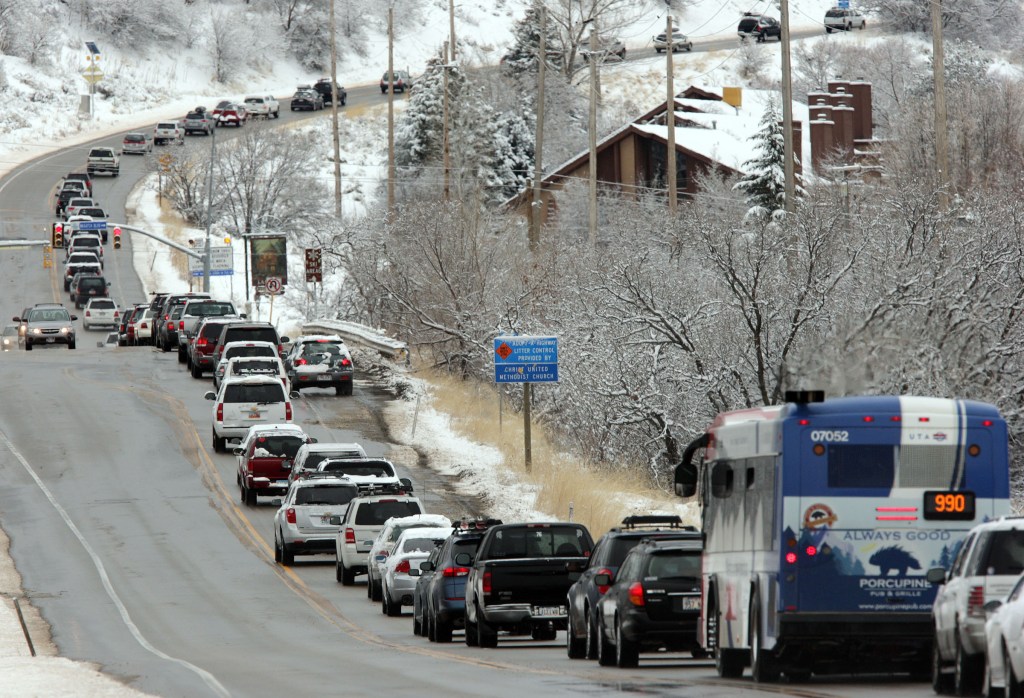
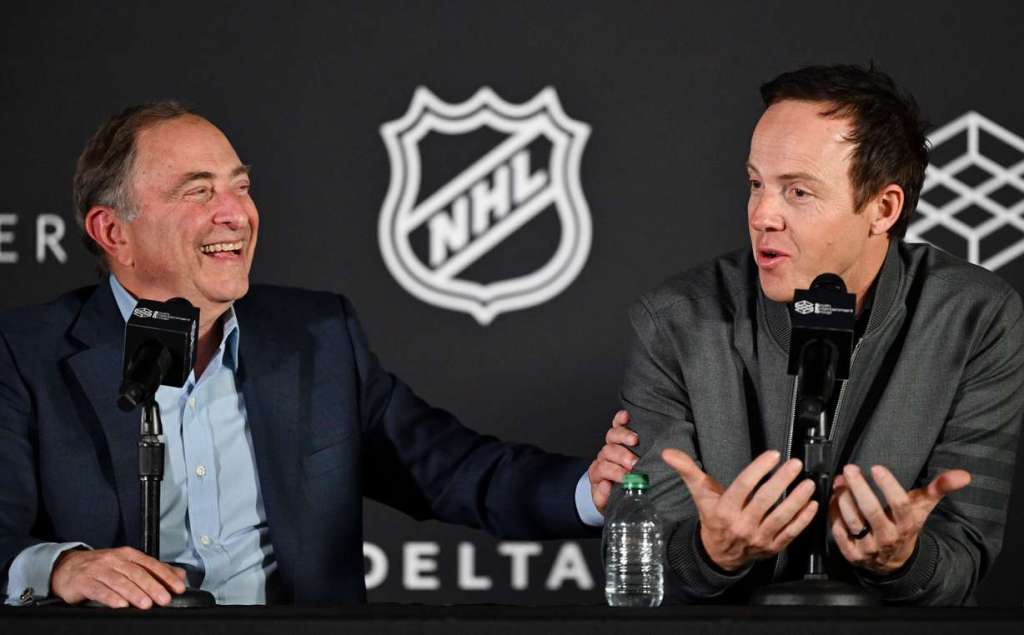
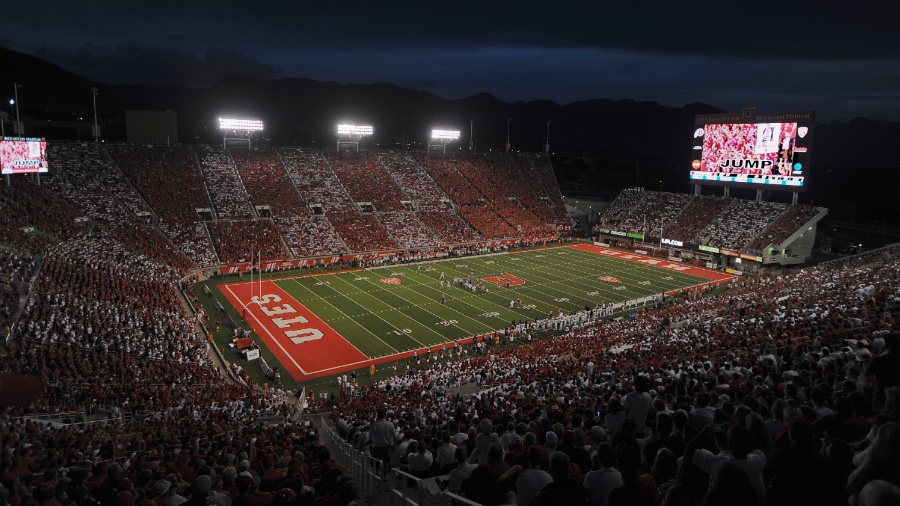
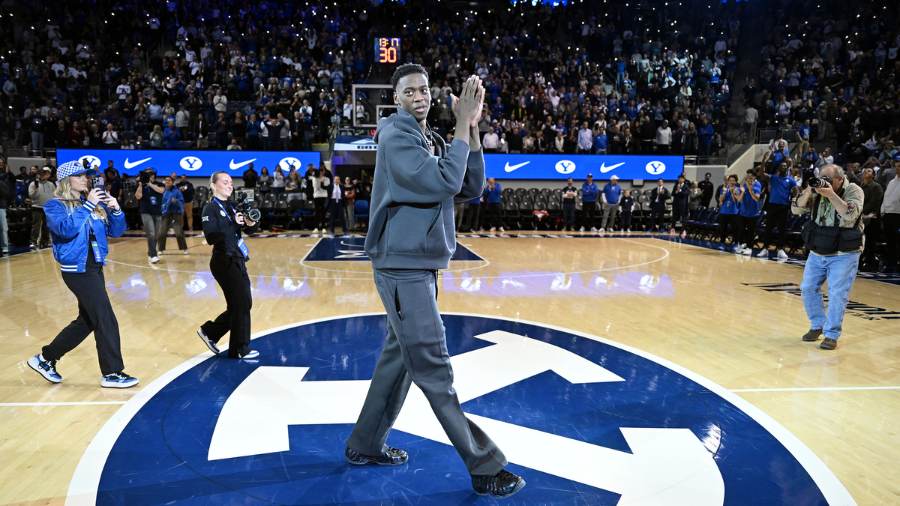
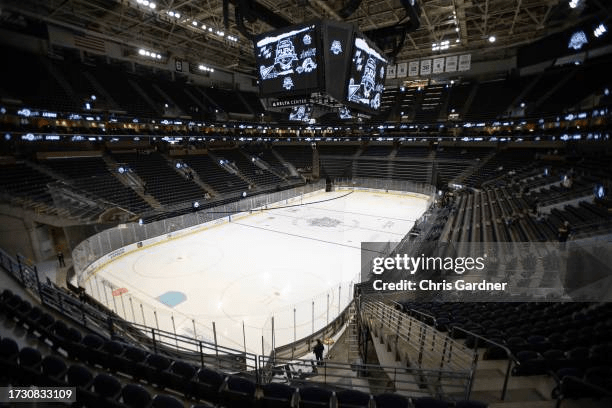
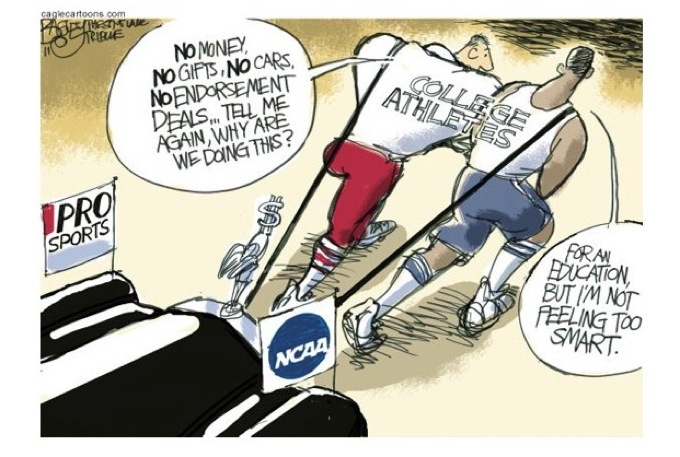
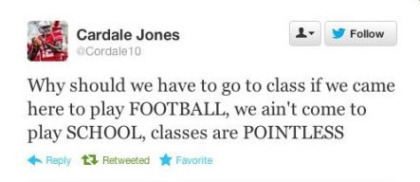
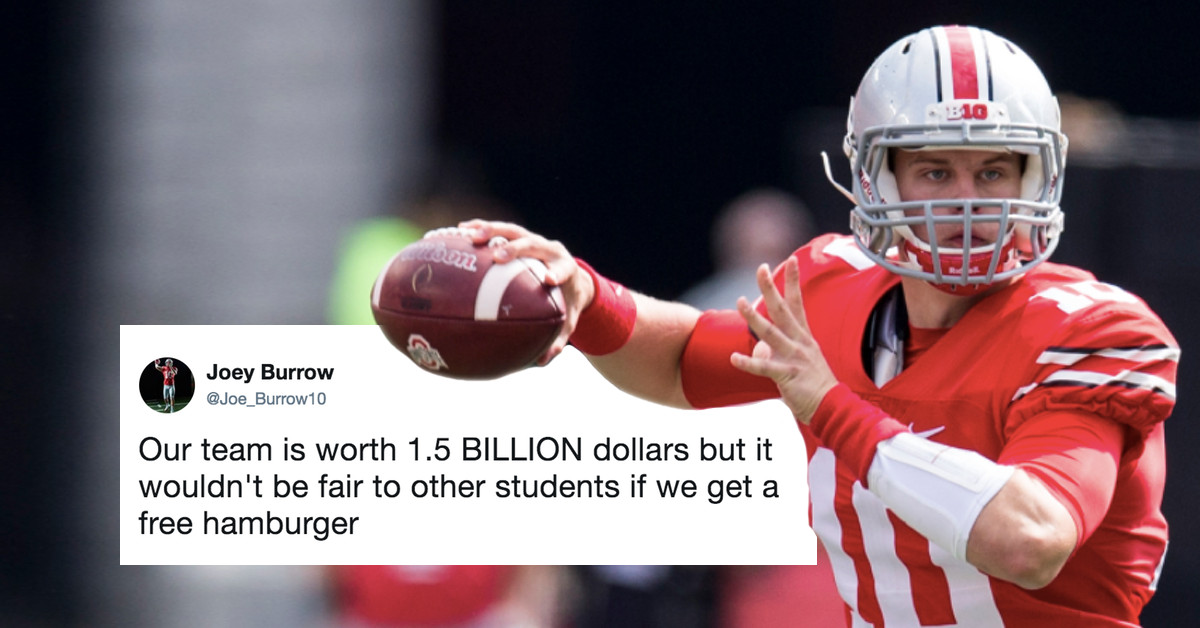
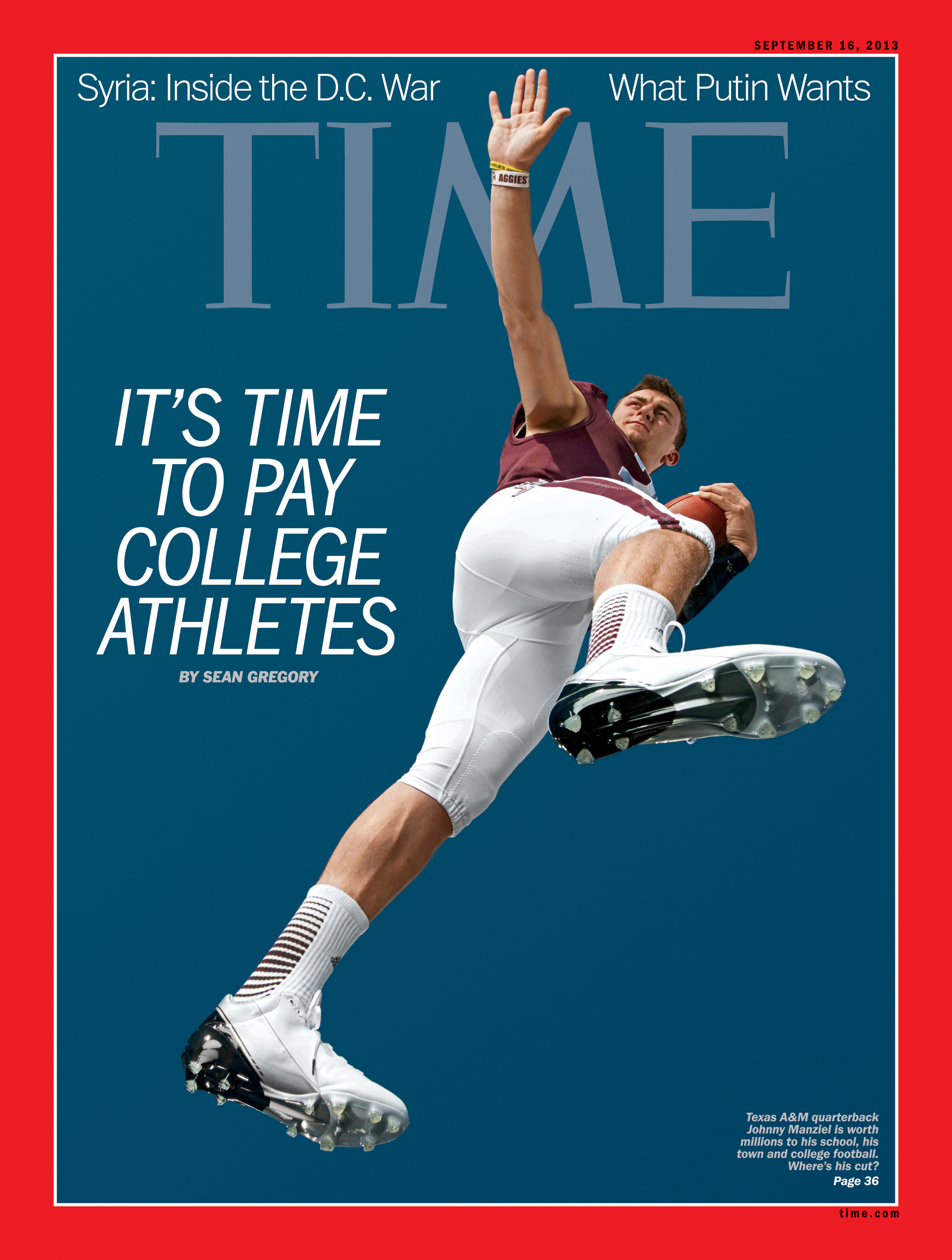
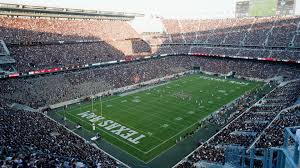
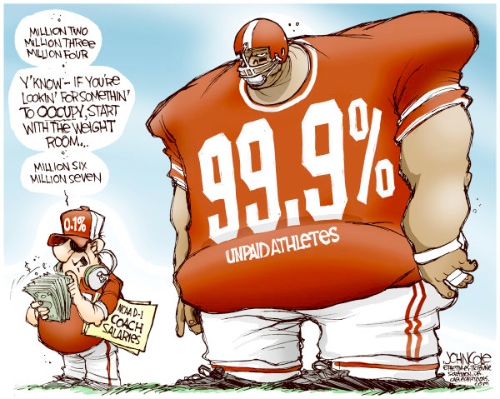
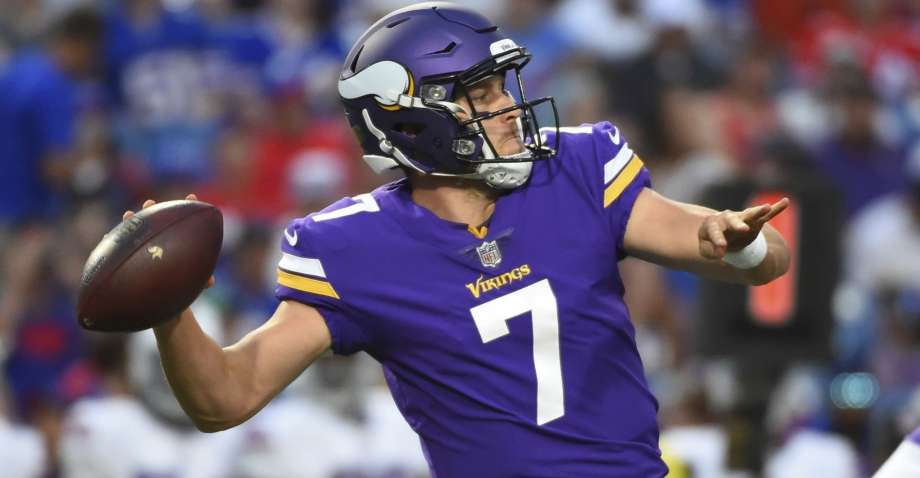



 mitchlinsley.com